
For years, the iPhone has been one of the easiest choices for anyone who wants to shoot good videos without carrying a separate camera. You take it out of your pocket, open the camera app, and start recording. It is simple, fast, and the quality is already good enough for YouTube, Instagram, travel videos, and many professional projects.
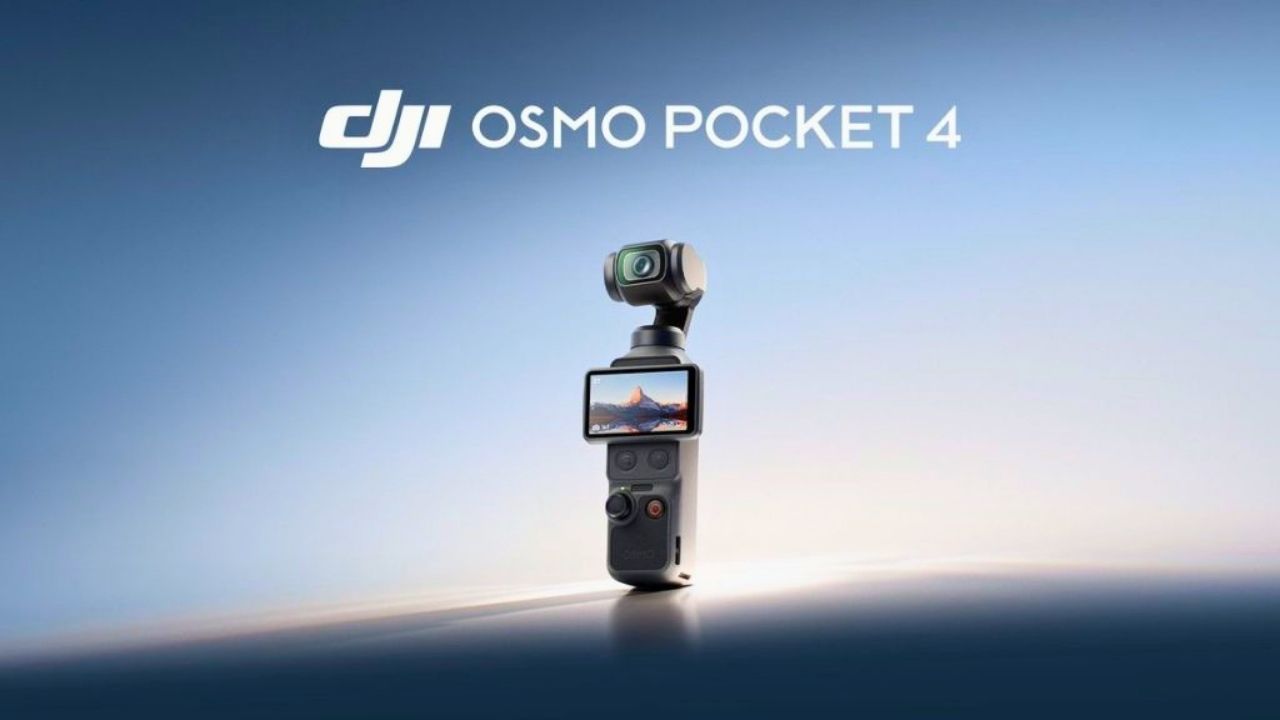
But DJI is trying to offer something different with the Osmo Pocket 4. It is a tiny dedicated camera that combines a larger sensor with a physical gimbal, subject tracking, professional video modes, internal storage, and a very compact design. On paper, it sounds like the kind of camera that could replace a smartphone for some creators. But does it really beat the iPhone?
After looking at the features and real-world testing shown in the video, the answer is a little more interesting than simply saying one camera is better than the other.
DJI Osmo Pocket 4 Features at a Glance
The Osmo Pocket 4 comes with a 37MP sensor and up to 14 stops of dynamic range, according to the video. Compared to the older Osmo Pocket generation discussed in the review, this is a major jump in camera hardware. The larger sensor and higher resolution also bring support for RAW photos, which gives users more freedom while editing their images later.
For video, the camera can record up to 4K at 60fps and can also shoot high-frame-rate slow motion up to 240fps. Another big feature is full D-Log recording, which is designed for people who want to color grade their footage and have more control over the final look.
Some of the main features discussed in the review include:
- 37MP camera sensor
- Up to 14 stops of dynamic range
- RAW photo support
- 4K video recording up to 60fps
- Slow motion up to 240fps
- Full D-Log recording
- Built-in physical gimbal
- Advanced ActiveTrack 7 tracking
- 2-inch rotating OLED touchscreen
- Up to 1000 nits of display brightness
- 107GB built-in storage
- Wi-Fi 6
- Built-in audio recording
- Direct compatibility with DJI microphones
That is already a pretty serious feature list for something this small. But the main reason people may actually buy this camera is not just the sensor or the specs. It is the built-in gimbal.
The Built-In Gimbal Makes a Big Difference
This is where the Osmo Pocket 4 feels different from a normal smartphone or action camera. The physical gimbal keeps the camera stable while recording, so walking and moving shots can look much smoother without needing to carry an additional gimbal.
The interesting part is that the gimbal does more than just stabilize the footage. It can also move the camera to follow a subject. DJI calls this ActiveTrack 7, and according to the testing in the video, it can follow faces and other moving subjects as well.
This can be extremely useful for someone who creates videos alone. Imagine setting the camera somewhere and then walking, running, or moving around the frame. Instead of asking another person to follow you with a camera, the Osmo Pocket can automatically track your movement. The video demonstrates the camera tracking the presenter even when he moves farther away and changes position.
For solo travel creators and vloggers, this feature can genuinely save a lot of effort.
How Good Is the DJI Osmo Pocket 4 for Vlogging?
Vlogging is probably one of the strongest reasons to consider this camera. The larger sensor helps create better separation between the subject and the background compared with many small action cameras. This means the background can look a little softer instead of everything looking completely sharp from front to back.
That may sound like a small thing, but it can make handheld videos look more natural and slightly more cinematic. The testing also showed the camera handling different lighting situations while moving between bright sunlight, shadows, and backlit areas.
Another useful thing is that the camera can quickly switch between showing the creator and showing what is in front of them. Instead of physically turning the whole device around, a custom button can be used to change the view and then return back again.
This kind of feature is especially useful while travelling. You can talk to the camera, press a button to show the view in front of you, and then switch back to yourself without stopping the recording.
Vertical Recording for Reels and Shorts
The DJI Osmo Pocket 4 can also record vertical videos, which is important now because many creators post on Instagram Reels and YouTube Shorts.
By rotating the screen, the camera can switch into portrait recording while keeping the gimbal and tracking features active. This means you can still use stabilization and subject tracking while shooting vertical content.
There is one limitation, though. The video mentions that portrait recording is limited to 3K rather than full 4K. For most social media platforms, this probably will not be a major issue because videos are compressed anyway, but it is still something to keep in mind if you specifically want maximum resolution.
Manual Controls and D-Log Recording
The camera is not only designed for quick point-and-shoot videos. It also offers manual controls for users who want more control over their footage.
You can adjust settings like white balance, tint, exposure, ISO, shutter speed, and focus mode. Being able to lock the white balance can be particularly useful because automatic cameras sometimes change the color temperature when the scene changes. If you are recording a serious video, those sudden color shifts can be annoying.
The Osmo Pocket 4 also supports full D-Log recording. This gives the footage a flatter look at first, but the idea is to edit the colors later. After color grading, the footage can look much more polished and cinematic.
This is useful for creators who enjoy editing or want to match footage from different cameras. If you are someone who just wants to record a video and upload it quickly, D-Log may not be necessary. But having the option is always good.
Built-In Film Looks for People Who Do Not Want to Color Grade
Not everyone wants to spend time editing Log footage. For those users, the camera also offers different built-in looks and film-style color options.
These can give the footage a warmer, more cinematic, or stylized appearance without needing to manually color grade everything in editing software. The review demonstrates different color styles and compares them with normal recording and graded footage.
Of course, everyone has different taste when it comes to colors. Some people prefer completely natural footage, while others like a warmer or more cinematic look. The good thing is that the camera gives you both options. You can either record normally and keep things simple, or use D-Log and edit everything yourself.
4K 240fps Slow Motion Looks Impressive
Slow motion is another area where this camera can be fun to use. According to the video, it can record up to 4K at 240fps, allowing creators to capture very smooth slow-motion footage.
This can be useful for travel videos, sports shots, bike videos, action scenes, and cinematic B-roll. Since the camera already has a built-in gimbal, you can also move while recording without worrying too much about keeping every shot perfectly stable.
However, the high-frame-rate mode does have some limitations. The video becomes slightly cropped, and full D-Log recording is not available in this mode. So if professional color grading is important for your project, you may need to use a different recording mode.
Still, for normal creators who simply want good-looking slow motion, this feature can be a lot of fun.
Can DJI Osmo Pocket 4 Take Good Photos?
Yes, the camera can take photos and even supports RAW photography. You can shoot JPEG, RAW, or both, depending on how much editing you want to do later.
The RAW photos shown in the video appear to have good detail and can be improved further through editing. For travel snapshots and everyday memories, the camera looks perfectly capable.
But I would not buy this camera mainly for photography.
The small screen and limited photo controls make it less comfortable for serious photography compared with a proper mirrorless camera. Even a good flagship smartphone may be more convenient when you want to quickly frame, focus, edit, and share photos.
So, the Osmo Pocket 4 is better described as a video-first camera that can also take decent photos when needed.
The Panorama Mode Is Surprisingly Useful
One feature that looks genuinely interesting is the panorama mode. The camera can automatically move its gimbal and capture multiple photos before combining them into one larger image.
There is a 3×3 panorama option where the camera captures nine images and stitches them together. There is also a 180-degree panorama mode for wider scenes.
This could be useful when you are travelling and want to capture mountains, city views, large buildings, or wide landscapes. Since the gimbal handles the movement automatically, you mainly need to keep the camera reasonably steady.
It is a nice example of how the gimbal can be useful for more than just video stabilization.
DJI Osmo Pocket 4 vs iPhone
This is the comparison everyone will probably be interested in.
The video compares the Osmo Pocket 4 with an iPhone 17 Pro Max, and honestly, both devices have clear advantages.
The iPhone is more flexible in terms of focal lengths because it has multiple cameras. You can shoot normal, wide, ultra-wide, and zoomed shots depending on the model and camera system.
The Osmo Pocket 4 mainly focuses on its primary camera and digital zoom. Because of this, the iPhone performs better when zooming in. The comparison shown in the video suggests that the difference becomes especially noticeable at higher zoom levels.
If you regularly shoot distant subjects, the iPhone has the advantage.
Where the DJI Osmo Pocket 4 Feels Better
The biggest advantage of the DJI camera is its dedicated physical gimbal and tracking system.
You do not need to carry a separate phone gimbal. You also do not have to hold your phone in your hand all day while worrying about calls, notifications, messages, or other distractions.
The Osmo Pocket is simply a camera.
You take it out when you want to record something.
For some people, that can actually make the experience better. When you use your phone to record, it is very easy to get distracted by notifications or open another app. A dedicated camera keeps you focused on what you are trying to capture.
The built-in 107GB storage is another useful advantage. Forgetting an SD card can completely ruin a planned shoot, but internal storage gives you a backup option.
DJI Osmo Pocket 4 Battery Life
Battery performance was also one of the stronger points mentioned in the review. The camera was used for an extended day of shooting, and the battery managed to last through a large portion of the day.
The review also mentions fast charging, with the battery reaching around 80% after a relatively short charging session. There is also an extended battery option for people who need to record for longer periods.
For travel and normal daily recording, the battery performance appears to be quite practical considering the size of the device.
Problems With DJI Osmo Pocket 4
The camera looks impressive, but it is not perfect. There are a few things that you should know before thinking about buying it.
The Gimbal Is Not as Fast as Moving a Phone
A phone can be pointed in a different direction instantly. With the Osmo Pocket, the physical gimbal needs a moment to move and adjust.
That may only take a second or two, but if something unexpected happens and you need to quickly change your framing, a smartphone can sometimes feel faster.
The Lens Could Be Wider for Vlogging
The review also points out that the lens is not as wide as some vloggers may want. When holding the camera close to your face, a wider lens would make it easier to fit more of yourself and the background into the frame.
This is not a dealbreaker, but it is something that can matter if most of your content is handheld vlogging.
Photo Controls Are Limited
The Osmo Pocket 4 can take RAW photos, but it is still not a replacement for a proper photography camera.
You do not get the same level of manual control that serious photographers expect. If photography is your main focus, there are better options available.
The Gimbal Needs Protection
The small gimbal is one of the best things about the camera, but it also makes the device feel more delicate.
You need to be careful while carrying it. Throwing it loosely into a pocket without protection may not be a good idea because the moving gimbal mechanism is more fragile than a normal phone or action camera.
It Is Not Designed for Rough Outdoor Use
Unlike many action cameras, the Osmo Pocket 4 is not something you would want to throw around or use carelessly in heavy rain and water.
If you need a camera for rough sports, water activities, or extreme conditions, an action camera may be a better choice.
Who Should Buy the DJI Osmo Pocket 4?
I think this camera makes the most sense for solo travellers, vloggers, and people who enjoy recording their life.
If you travel alone and want to record yourself without asking someone else to hold the camera, the tracking feature can be very useful. The small size also makes it easier to carry compared with a full camera and gimbal setup.
It can also be a nice option for people who want a separate device only for capturing memories. There is something simple about having a small camera that you use only when you want to record something.
Who Probably Does Not Need It?
If you already own a recent flagship iPhone or a powerful Android phone, you may not really need another camera for normal content creation.
Modern flagship phones already offer very good video quality, multiple focal lengths, strong stabilization, and excellent convenience. Your phone is also always with you.
If you are just starting your content creation journey, I would honestly say that your existing phone is probably enough. Instead of immediately buying more camera equipment, you can first focus on making better videos with what you already have.
If you want to take your production quality much higher and need more professional controls, a mirrorless camera may also be worth considering.
Final Thoughts: Did DJI Osmo Pocket 4 Really Kill the iPhone?
Not really.
The iPhone is still one of the most convenient cameras because it is already in your pocket. It offers multiple lenses, better zoom options, and strong overall camera performance.
But the DJI Osmo Pocket 4 is not really trying to be exactly like an iPhone.
Its biggest strength is that it is a dedicated camera with a built-in gimbal and intelligent tracking. It gives solo creators a way to capture stable, smooth footage without carrying a large camera setup.
So, I would not say that the DJI Osmo Pocket 4 killed the iPhone. Instead, it gives creators another option, and for some people, it could actually be the better option.
If you already have a flagship phone and are happy with your camera quality, you probably do not need it. But if you travel alone, love vlogging, want smooth tracking shots, and like the idea of carrying a small dedicated camera, the DJI Osmo Pocket 4 can make a lot of sense.
At the end of the day, the iPhone is an excellent all-in-one device.
The DJI Osmo Pocket 4 is for someone who wants a tiny camera that makes filming feel like the main thing.


![How to reduce battery drain after [AndroidiOS version] update](https://unifite.in/wp-content/uploads/2026/10/How-to-reduce-battery-drain-after-AndroidiOS-version-update-218x150.jpg "How to Reduce Battery Drain After an Android or iOS Update (2026)")