
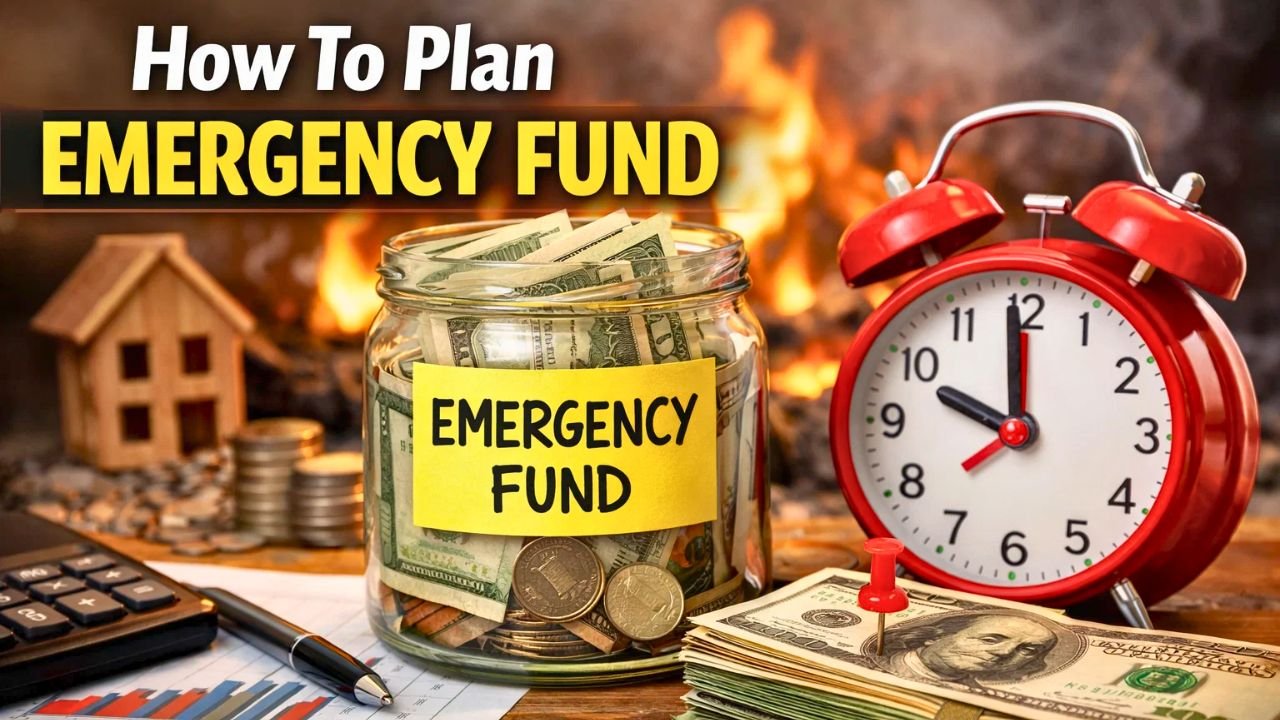
Saving money is important. But what really protects you during tough times is a proper emergency fund.
Many people keep a small buffer for 2–3 months. But in 2026, with rising expenses and job uncertainty, planning an emergency fund for one year expenses is a smarter and safer approach.
The real question is not should you save, but how much emergency fund is enough and how to build it without stress.
In this guide, you’ll learn exactly how to calculate, build, and manage a 1 year emergency fund, step by step.
What is an Emergency Fund?
An emergency fund is money set aside to cover your essential expenses during unexpected situations.
These situations can include:
- Job loss
- Medical emergency
- Business slowdown
- Sudden major expense
This fund is not for vacations or shopping. It is strictly for survival needs.
Why You Should Plan a 1 Year Emergency Fund
Most advice suggests saving 3–6 months of expenses. That works for basic safety. But a 1 year emergency fund gives you stronger financial stability.
Benefits of a 12-month emergency fund:
- More time to recover from job loss
- No need to take high-interest loans
- Reduced financial stress
- Better decision-making during crises
In uncertain times, a larger emergency fund for one year expenses acts like a financial shield.
Step 1: Calculate Your Monthly Essential Expenses
Start by calculating only your essential monthly expenses. Do not include luxury or optional spending.
Include:
- Rent or home loan EMI
- Groceries
- Utility bills
- Insurance premiums
- School fees
- Basic transport
Exclude:
- Eating out
- Shopping
- Entertainment
- Subscriptions
Example Calculation
| Expense Type | Monthly Amount |
|---|---|
| Rent | ₹15,000 |
| Groceries | ₹6,000 |
| Utilities | ₹3,000 |
| Transport | ₹3,000 |
| Insurance | ₹2,000 |
| Total | ₹29,000 |
Your monthly essential expense = ₹29,000
Step 2: Calculate Your 1 Year Emergency Fund
Now multiply your monthly expenses by 12.
Formula:
Emergency Fund = Monthly Expenses × 12
Example:
₹29,000 × 12 = ₹3,48,000
This is your target emergency fund for one year expenses.
Step 3: Break the Goal into Smaller Targets
Saving a large amount at once is difficult. So break it down.
Example Plan:
- Monthly saving target = ₹10,000
- Yearly saving = ₹1,20,000
- Time to reach goal = about 3 years
This makes building a 1 year emergency fund realistic and achievable.
Step 4: Where to Keep Your Emergency Fund
Your emergency fund should be:
- Safe
- Easily accessible
- Not too easy to spend
Best options:
Savings account
Liquid mutual funds
Fixed deposits (short-term)
Avoid putting emergency money in:
- Stocks
- Crypto
- Long-term investments
The goal is safety, not high returns.
Step 5: Automate Your Emergency Fund Savings
The biggest mistake people make is saving “whatever is left”.
Instead, follow the Pay Yourself First rule.
What to do:
- Set automatic transfer after salary credit
- Treat savings like a fixed expense
- Increase savings gradually with income growth
This ensures consistent progress toward your emergency fund goal.
Step 6: Adjust Fund Based on Your Situation
Not everyone needs the same emergency fund.
If you are salaried:
- Stable job → 6–9 months may work
- Unstable job → aim for 12 months
If self-employed or freelancer:
- Income uncertain → 12 months or more is safer
If you have dependents:
- Higher responsibility → bigger fund required
Always customize your emergency fund planning based on your life situation.
Quick Checklist for Emergency Fund Planning
- Calculate exact monthly essential expenses
- Multiply by 12 for yearly target
- Start with small monthly savings
- Automate contributions
- Keep funds in safe and liquid options
- Review and update annually
Frequently Asked Questions
How much emergency fund is enough?
A 1 year emergency fund is ideal for strong financial security. Minimum recommended is 3–6 months.
Can I invest emergency fund in mutual funds?
A 1 year emergency fund is ideal for strong financial security. Minimum recommended is 3–6 months.
How long does it take to build a 1 year emergency fund?
It depends on your income and savings rate. Most people take 1–3 years to build it comfortably.
Should I use my emergency fund to pay off debt?
Only in real emergencies. Do not use it for regular expenses or planned payments.
Final Thoughts
Building an emergency fund for one year expenses may feel difficult at first, but it is one of the smartest financial decisions you can make.
It gives you control, confidence, and peace of mind during uncertain times. Start small, stay consistent, and increase your savings gradually.
Your goal is not perfection. Your goal is protection.